
ONDA Treatment in Korea: Book Your Skin Tightening Session Now
ONDA treatment Korea is a revolutionary non-invasive body contouring experience that uses focused ultrasound to gently melt stubborn fat while tightening your skin. This painless, no-downtime procedure works by targeting deep fat layers with precise thermal energy, leaving surrounding tissues completely untouched. In just a few short sessions, you’ll see a smoother, slimmer silhouette that feels natural and looks effortlessly toned. To get started, simply book a consultation at a certified Korean clinic, where a specialist will map your treatment zones and guide you through the quick, relaxing process.

What Exactly Is the ONDA Body Contouring Procedure in Korea?

In Korea, the ONDA body contouring procedure is a non-invasive, microwave-based treatment that targets and reduces localized fat deposits. During a session, a handheld applicator delivers controlled microwave energy deep into the subcutaneous fat layer, selectively heating adipocytes without damaging the skin surface. This precise thermal action disrupts fat cell membranes, triggering their natural breakdown and subsequent elimination via the lymphatic system. Unlike surgical options, ONDA treatment Korea requires no incisions, anesthesia, or downtime, making it a popular lunchtime procedure. Most patients undergo 2–3 sessions spaced weeks apart to achieve noticeable slimming in areas like the abdomen, thighs, and flanks. The procedure typically lasts 30–40 minutes, with a warming sensation reported during treatment. Optimal results appear gradually over 4–8 weeks as the body metabolizes the treated fat cells.
How Does ONDA’s Microwave Technology Differ from Other Fat-Freezing or Laser Methods?
Unlike cryolipolysis, which freezes fat cells for gradual apoptosis, or laser lipolysis that uses heat to disrupt membranes, ONDA employs **focused microwave technology** that delivers controlled dielectric heating directly to the subcutaneous fat layer. This bypasses the skin’s surface, eliminating the need for cooling applicators and reducing the risk of paradoxical adipose hyperplasia. While fat-freezing requires multiple sessions and waits months for visible reduction, ONDA’s microwaves cause immediate, selective thermal coagulation of fat cells, prompting faster lymphatic clearance and a more defined contour in fewer visits. Laser methods often require cannulas or contact tips; ONDA is non-invasive, with no suction, pinching, or compression, making it more comfortable and requiring zero downtime.
What Skin and Fat Layers Does the Device Target During a Session?
During a single ONDA session in Korea, the device targets distinct tissue depths sequentially, beginning with the dermal and subdermal interface to initiate collagen contraction. The handpiece’s nanosecond-pulsed microwaves penetrate to approximately 1–2 mm for superficial skin tightening, then shift focus to the subcutaneous fat layer at 3–5 mm. Unlike bulk-heating lasers, ONDA’s energy is absorbed selectively by water molecules within adipocytes, causing precise micromechanical disruption of fat cell membranes while sparing the overlying epidermis via active cooling. Thermal diffusion remains confined to the targeted septal fat and reticular dermis, producing a controlled inflammatory response that triggers neocollagenesis and gradual fat reduction without affecting deeper muscle or fascia.
Q: What skin and fat layers does the device target during a session?
A: In one session, ONDA alternates between the upper dermis (1–2 mm depth) for skin tightening and the subcutaneous adipose layer (3–5 mm) for fat cell disruption. The dual-phase delivery ensures both fibrosis response and lipolysis occur within the same treatment window.
Why Has Seoul’s Aesthetic Clinics Adopted This Specific Non-Invasive Tool?
Seoul’s clinics love ONDA because it tackles the one thing local patients constantly complain about—**stubborn subcutaneous fat with zero downtime**. Unlike lasers that only tighten skin, this tool uses focused microwaves to heat deep fat layers, which matches the Korean preference for quick lunchtime fixes that don’t disrupt busy schedules. Its cool-sculpting alternative vibe is also a hit because it’s quieter and less shocking than suction-based devices, making first-timers feel at ease. The real draw? It tightens loose skin while melting fat simultaneously, which is exactly what Seoulites want after rapid weight fluctuations—all without needles or anesthesia, perfect for the city’s fast-paced, appearance-conscious lifestyle.
Seoul adopted ONDA for its dual fat-melting and skin-tightening action, delivered safely and quickly with no recovery time—fitting perfectly into the city’s demand for painless, convenient body sculpting.
Who Is the Ideal Candidate for This Korean Slimming Treatment?
The ideal candidate for this Korean slimming treatment is someone who is already near their target weight but struggles with stubborn, localized fat that resists diet and exercise. ONDA treatment Korea excels for individuals with good skin elasticity seeking non-invasive body contouring, particularly for the abdomen, flanks, or thighs. It is not a weight-loss solution for obese patients. Instead, the perfect candidate is a health-conscious adult wanting to tighten loose skin and reduce superficial fat without surgery. Those with mild to moderate skin laxity will see the best results, as ONDA’s microwave technology simultaneously firms the dermis. If you are looking for quick, comfortable sessions with minimal downtime, and you have realistic expectations about fat reduction, this treatment is designed specifically for your body-sculpting goals.
Which Body Areas Respond Best to ONDA’s Wave Energy (Abdomen, Thighs, Arms)?
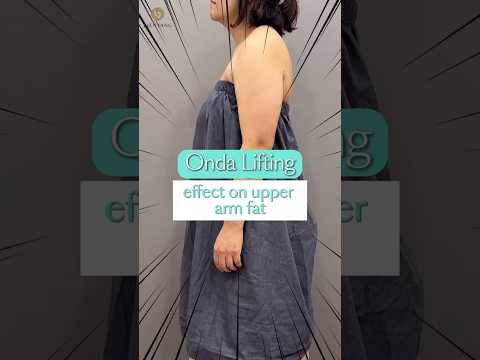
When targeting stubborn fat through ONDA in Korea, the **abdomen responds most dramatically** because its loose, compressible tissue allows the 2.1 GHz microwaves to penetrate evenly while the cooling plate protects the skin, making waist circumference visibly drop after a few sessions. Thighs follow closely—while denser fat requires higher energy settings, the inner and outer contours firm up noticeably, though results appear gradually as the body metabolizes emulsified fat. Arms respond well but are trickier: the treatment works best on the back of the upper arm (triceps), where fat pads are soft and accessible, but the thin skin demands a gentler hand to avoid discomfort. For men, love handles and lower abdomen outperform obliques; for women, the lower belly and outer thighs give the quickest visible smoothing, making these zones the priority for most Seoul clinics.
Abdomen leads in response time, followed by thigh contouring and tricep firming, with the lower belly and outer thighs yielding the fastest visible ONDA results.
How Much Body Fat Percentage or Skin Laxity Qualifies You for Safe Use?
There is no fixed body fat percentage cutoff for ONDA, as the treatment targets subcutaneous fat regardless of BMI, but safe use hinges on skin laxity more than numbers. Ideal candidates have a body fat percentage between 20–35% with mild to moderate skin looseness, because ONDA’s focused radiofrequency heats the deep dermis to contract collagen while melting fat, meaning overly lax skin (e.g., post-massive weight loss) won’t snap back without surgical removal. Conversely, very low body fat (under 18%) with tight skin offers little fat to reduce, risking uneven contouring. Clinical screening assesses pinch thickness (at least 1.5 cm) and skin recoil elasticity—if your skin springs back within two seconds, you qualify; if it tents or sags more than 2 cm, ONDA alone is unsafe. Safe use requires a minimum pinch thickness of 1.5 cm and elastic recoil under two seconds, not a universal fat percentage.
Qualification for ONDA safety depends on subcutaneous fat depth (≥1.5 cm pinch) and skin recoil speed (<2 sec), not a fixed body fat percentage, making mild-to-moderate laxity the true gatekeeper.< blockquote>
Are There Any Contraindications or Skin Types That Should Avoid This Session?
While ONDA body contouring is generally safe, certain individuals should avoid this session. The procedure is contraindicated for pregnant or nursing women, as well as those with active infections, open wounds, or severe inflammatory skin conditions in the treatment area. Individuals with pacemakers, implanted metal devices, or a history of keloid scarring should also refrain. Regarding skin types, ONDA’s radiofrequency energy targets deeper fat layers, so darker skin tones (Fitzpatrick IV–VI) face a slightly higher risk of post-inflammatory hyperpigmentation, though modern cooling systems mitigate this. Those with compromised lymphatic function or chronic conditions like diabetes must seek physician clearance first. A patch test is always advisable for sensitive or reactive skin before full treatment.
Contraindications include pregnancy, pacemakers, active infections, and keloid-prone skin; darker skin tones (IV–VI) require caution due to pigmentation risk, making a medical consultation and patch test essential before proceeding.
What Does a Standard ONDA Session Look Like at a Korean Clinic?
A standard ONDA session at a Korean clinic begins with a skin analysis and numbing cream application, typically lasting 20 minutes. You lie down while the practitioner glides the cooled tip over your face, targeting deep dermal layers. The procedure itself takes 30–40 minutes, with a mild warming sensation and occasional cooling bursts. Most clinics in Seoul recommend 3–5 sessions, spaced 3–4 weeks apart, for collagen remodeling. ONDA treatment Korea focuses on volumetric heating, not surface ablation, so you can return to normal activities immediately after. Mild redness fades within a few hours, and makeup is allowed the same day.
Key insight: bring your own sunscreen — Korean clinics will reapply it before you leave, but you must protect the treated area for the next week.
What Is the Step-by-Step Process from Consultation to Post-Treatment Care?
Your ONDA session in Korea begins with a consultation where a clinician assesses skin laxity and pain threshold, then maps treatment zones. Next, the practitioner applies a cooling gel and calibrates the handpiece, delivering pulses across the target area—typically 20–30 minutes for the full face. Immediately post-treatment, a soothing mask is applied to reduce redness, followed by a brief cooling period. You then receive a personalized aftercare sheet detailing sun protection and hydration protocols for the following week. A short follow-up check, either in-person or via messaging, occurs at the one-week mark to confirm recovery and schedule any necessary touch-up, ensuring the collagen remodeling proceeds without complications.
How Long Does One Session Take, and How Many Are Typically Required for Visible Results?
A single ONDA session at a Korean clinic typically lasts 30 to 40 minutes, with most of that time dedicated to cooling the handpiece tip before each pass. The actual RF energy delivery per area is quick, often under ten minutes, but preparation and post-care add buffer time. For visible results, most patients require two to three sessions, spaced four to six weeks apart. Initial tightening may appear after the first session, but collagen remodeling peaks around eight weeks post-treatment, making the second session the true benchmark for noticeable change. Skin laxity severity and treatment area size are the primary variables shifting the total count upward.
Parameter Typical Range Session duration 30–40 minutes Sessions for visible results 2–3 (4–6 week intervals) Peak remodeling window 8 weeks post-session What Sensations or Side Effects Should You Expect During and Right After the Waves?
When the ONDA handpiece glides over your skin, you’ll mostly feel a warm, prickling heat that builds in intensity as the waves target deeper fat layers. Most people describe it as a hot stone massage with tiny electric zaps—uncomfortable but never truly painful. Right after the session, your treated area will look flushed and feel tender, similar to a mild sunburn. You might also notice slight swelling or a “cobblestone” texture under the skin, which is completely normal and shows the fat disruption worked. Some clients report a lingering tingling sensation for a few hours, but it fades quickly.
- Immediate redness and warmth that lasts 30–60 minutes post-treatment.
- Mild tenderness or soreness when touching the area for the next day.
- Possible temporary numbness or “pins and needles” in the treated zone.
- Light swelling that peaks around 2–4 hours after, then subsides.
How to Choose the Right Clinic and Pricing for ONDA in South Korea
To secure the best results from ONDA treatment Korea, prioritize clinics that demonstrate proven experience with this specific RF technology, not just general aesthetics. Ask directly how many ONDA procedures they perform monthly and request before-and-after photos of patients with similar skin laxity or fat concerns to yours. Pricing for ONDA in South Korea varies significantly by clinic and region; Gangnam-based establishments often charge premium rates, while equally qualified clinics in areas like Hongdae or Jamsil offer more competitive packages. Never select solely on the lowest price—verify the device is genuine ONDA, not a knockoff, and that the practitioner is a dermatologist or plastic surgeon. Insist on a detailed consultation where they map your treatment zones and transparently quote per-session costs, total sessions needed, and any separate fees for numbing cream or follow-up care. When you compare how to choose the right clinic and pricing for ONDA in South Korea, always weigh the doctor’s skill and the facility’s hygiene standards against the quoted cost to avoid subpar, wasted sessions.
What Machine Version or Probe Settings Should You Verify Before Booking?
Before booking ONDA in Korea, confirm the clinic uses the **current ONDA body system**—older microwave platforms lack the precise 3D wave-shaping that targets superficial fat without heating skin. Verify the probe settings match your treatment zone: a 4-cm probe for jowl and submental fat, a 7-cm probe for abdomen or thighs, and a 10-cm probe for larger areas like the back. Ask your clinician to show you the energy level (typically 30–60 W) and cooling duty cycle on the screen, then ensure the pulse duration aligns with your pain tolerance—shorter bursts for sensitive zones.
- Check the machine’s firmware version (ask for a screenshot of the software menu).
- Confirm the probe’s tip is single-use or sterilized in front of you.
- Request a patch test at your expected settings to verify skin response before full treatment.
How Should You Compare Per-Session Costs, Package Deals, and Doctor’s Expertise in Seoul?
When comparing per-session costs, package deals, and doctor’s expertise in Seoul, start by calculating the **true cost per session after package discounts**. A package of five sessions might slash the per-session price by 30%, but only if you need all five—overbuying inflates your final spend. Next, weigh the doctor’s expertise against the price gap: a 20% higher per-session fee at a clinic led by a dermatologist who specializes in ONDA for your skin type often yields better outcomes than a cheaper generalist. For packages, verify whether the deal includes the same device settings and physician oversight as single sessions, or if it shifts to junior staff. Finally, request a breakdown; if the per-session cost drops sharply only in bulk, confirm the protocol remains identical.
Q: How should you compare per-session costs, package deals, and doctor’s expertise in Seoul?
A: Prioritize the doctor’s expertise first if your case is complex, then compare per-session costs after factoring in package discounts—but only commit to a package if the per-session price drop is at least 20% and the same doctor performs every treatment.Which Questions Must You Ask the Consultant to Avoid Overpromised Outcomes?
To avoid overpromised outcomes, ask the consultant directly: “How many ONDA sessions will my specific skin laxity level realistically need?” Don’t accept a vague “3–5.” Instead, request a before-and-after photo set from clients with your exact concern. Then ask, “What percentage of improvement is typical for me—not the marketing maximum?” Follow up with, “What happens if I see zero change after session two?” and “Are we reassessing mid-treatment to adjust expectations?” Finally, pin down: “Can I have the cooling and energy settings written down, so I know exactly what’s being used?”
- Ask for realistic session counts tied to your skin condition.
- Request proof from similar cases, not celebrity results.
- Demand a mid-treatment checkpoint to recalibrate promised results.
How to Maximize and Maintain Your ONDA Results After Returning Home
To maximize and maintain your ONDA treatment Korea results after returning home, prioritize strict sun protection for at least two weeks, as the thermal remodeling makes skin temporarily photosensitive. Apply a broad-spectrum SPF 50+ daily, even indoors, and reapply every two hours if exposed to daylight. Hydration is critical; use a ceramide-rich moisturizer and a hyaluronic acid serum for the first week to support the skin barrier’s recovery. Avoid saunas, steam rooms, and intense workouts for 7–10 days to prevent excessive flushing, which can reduce the controlled collagen contraction. For sustained firming, schedule a follow-up ONDA session in Korea 4–6 weeks later, as collagen regeneration peaks then. At home, perform gentle facial massage twice weekly and maintain a consistent sleep schedule, as circadian repair amplifies ONDA’s dermal remodeling.
What Lifestyle Habits or Dietary Adjustments Prolong the Fat-Contouring Effects?
To prolong fat-contouring effects after ONDA treatment in Korea, maintain a stable body weight by avoiding yo-yo dieting, as fluctuating fat cells can undermine your results. Prioritize a high-protein, low-glycemic diet rich in vegetables and healthy fats to support metabolic health and reduce inflammation, which helps sustain skin tightening. Consistent hydration and limiting alcohol or sodium intake prevent fluid retention, preserving the smooth silhouette. Engage in regular aerobic exercise and strength training to keep basal metabolism elevated, though avoid intense abdominal workouts that may strain treated areas. Intermittent fasting, if tolerated, may enhance fat oxidation without triggering compensatory overeating. Strategic post-treatment maintenance requires caloric consistency, not extremes.
Steady weight, high-protein/low-glycemic eating, hydration, reduced sodium and alcohol, and regular ONDA lifting seoul exercise—paired with mindful fasting—prolong ONDA’s fat-contouring effects.
Can You Combine ONDA with Other Non-Invasive Treatments Like RF or Ultrasound Safely?
Combining ONDA with radiofrequency (RF) or ultrasound in Korea is generally safe when sessions are spaced appropriately, but it is not a same-day procedure. Because ONDA selectively heats the deep dermis to stimulate collagen, layering RF or ultrasound immediately after can overstress the same tissue, increasing the risk of prolonged swelling or rare burns. Most Seoul-based clinics recommend a **minimum three-week gap** between ONDA and RF, and four weeks for high-intensity focused ultrasound (HIFU), allowing thermal recovery. Sequence matters too: undergo ONDA first for deep remodeling, then use RF for superficial tightening once the skin’s barrier is intact. Always confirm your clinician’s protocol, as they adjust energy levels based on your ONDA session’s intensity.
Q: Can you combine ONDA with RF or ultrasound safely?
A: Yes, with a 3–4 week interval and a clinician’s guidance; stacking them in the same week is not recommended.What Realistic Timeline Should You Follow to Assess Final Improvements (2–6 Months)?
Assessing final ONDA improvements requires a structured, patient-specific schedule. At the 2-month mark, you should evaluate early collagen remodeling—typically visible as subtle texture refinement and mild laxity reduction—but avoid judging final outcomes. By month 3, deeper dermal changes become measurable, yet the definitive 6-month assessment window remains the only reliable benchmark for full neocollagenesis and elastin restructuring. During months 4–6, compare standardized photos taken under identical lighting to track progressive tightening. Schedule bi-weekly self-checks for skin firmness and pore density, but accept that results plateau between weeks 20–24. If you see suboptimal remodeling at month 5, consider a touch-up session, as late-stage collagen maturation still allows meaningful correction. Resist evaluating before week 12, as transient edema and ongoing fibroblast activity will skew your perception permanently.